Power more
Our scale is ideal for using LIVE STEAM.
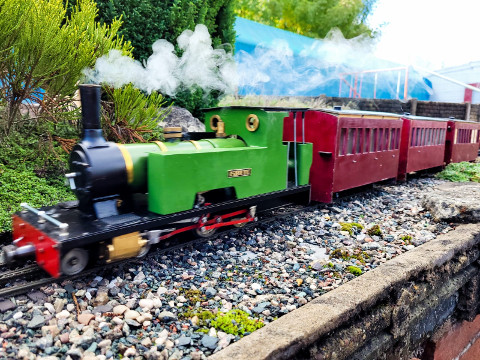
We run outdoors and at this scale because it’s an ideal size to use Live Steam Locomotives.
Steam Locomotives
Our Steam Engines work just the same as the Big Engines on the Midland Railway...
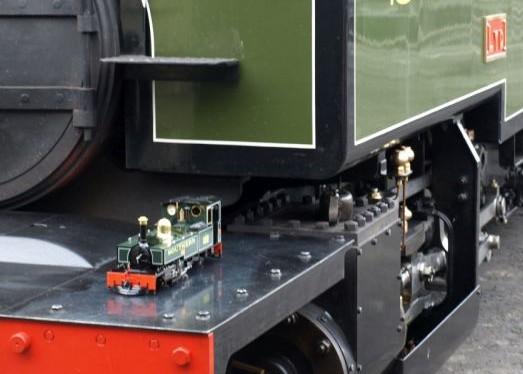
Just much smaller
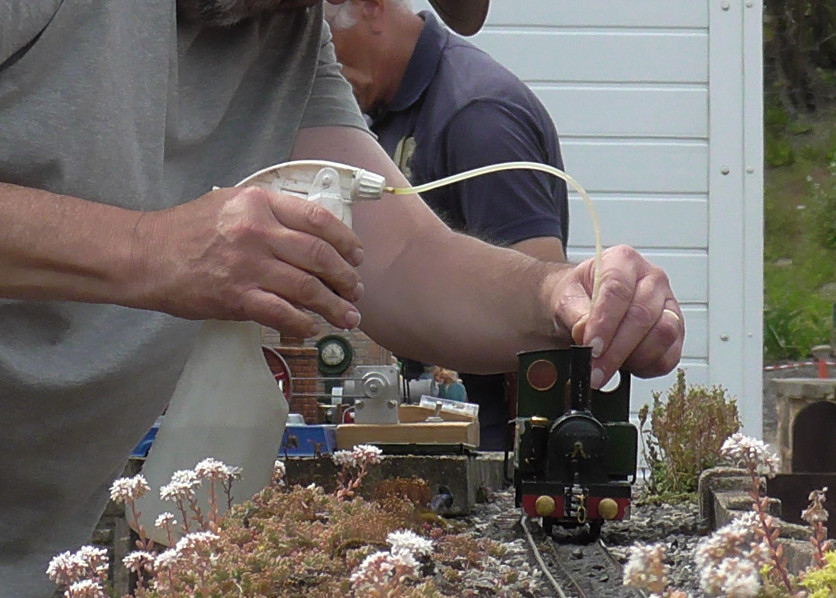
We fill them with water,
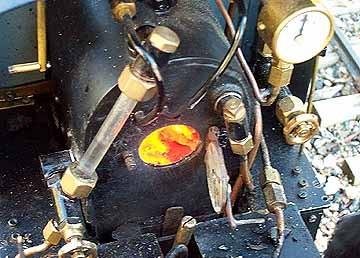
heat the water to make it boil,
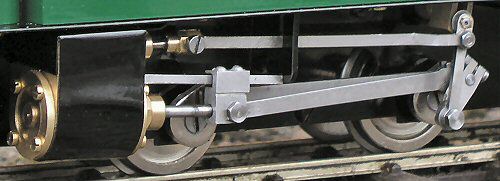
use the steam to turn the wheels, and use valves to keep the engine under control.
Water
Our tiny boilers need pure water to stop corrosion. Members collect filtered rainwater to avoid limescale build up.
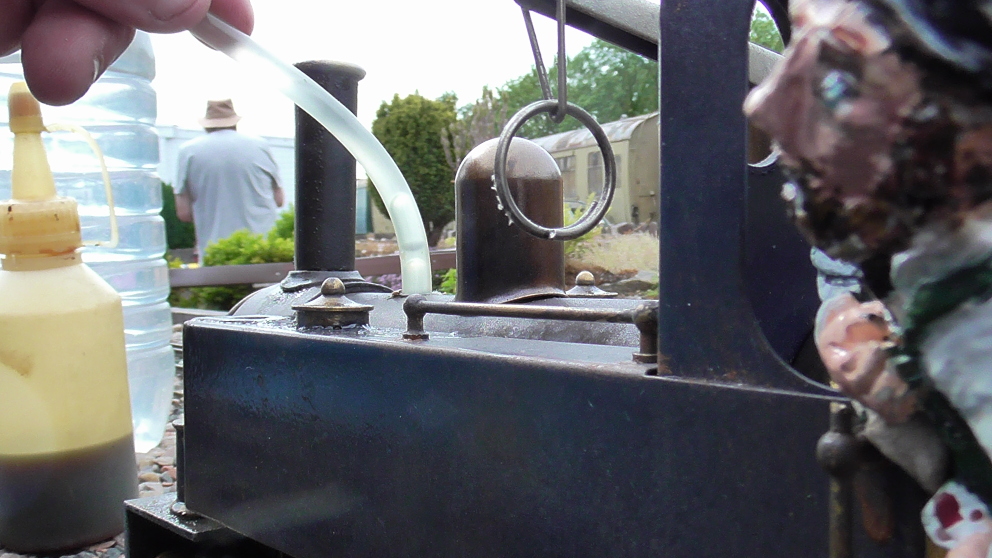
We use large syringes or hand pumps to get the water into the boiler.
Heat
To heat up the water we use fire
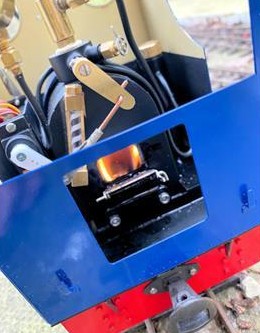
The fire can be a real coal fire in a tiny fire box
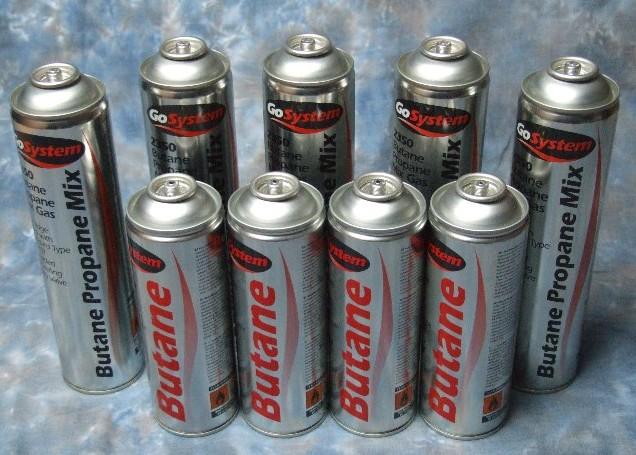
But more often is a miniature gas burner using Butane gas like a big cigarette lighter.
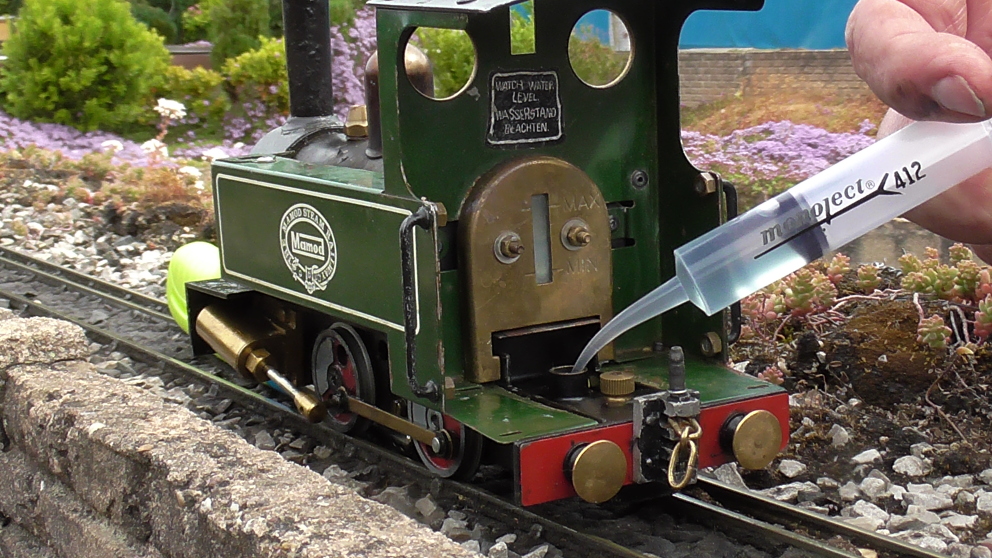
Meths being injected into a tiny fuel tank
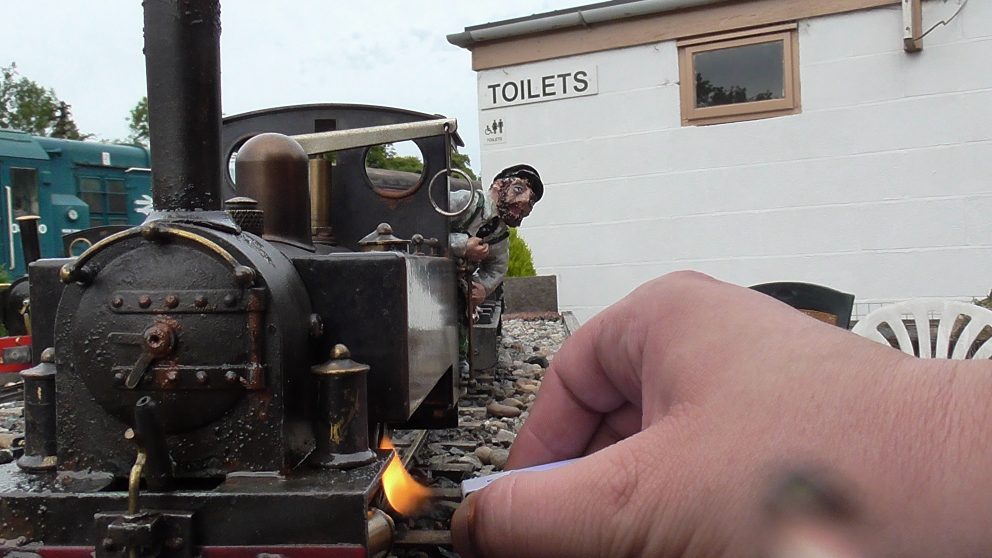
Meths is also used in older engines but does not work well in windy weather.
Steam
When water boils it makes steam
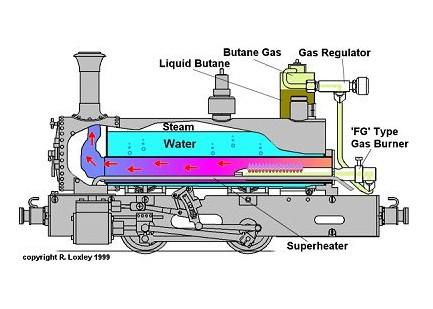
Steam builds up pressure in a sealed boiler and the pressure is used to power the wheels of the engine.
A safety valve is fitted to stop the pressure getting too high.
Turning the Wheels
Steam under pressure is fed into cylinders
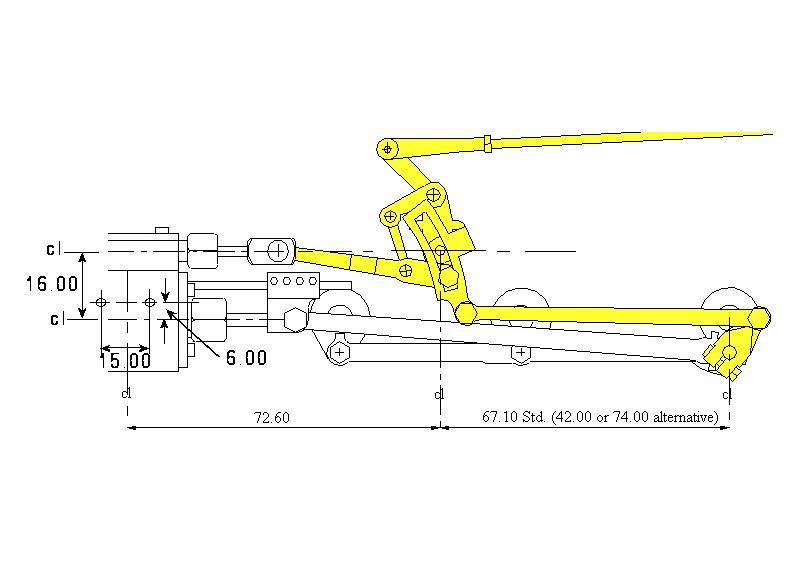
In the cylinders are pistons which are connected by rods to the wheels.
Valves control the steam and make the pistons go back and forth in the cylinders.
Valve Gear
Almost as complicated as the Real Thing
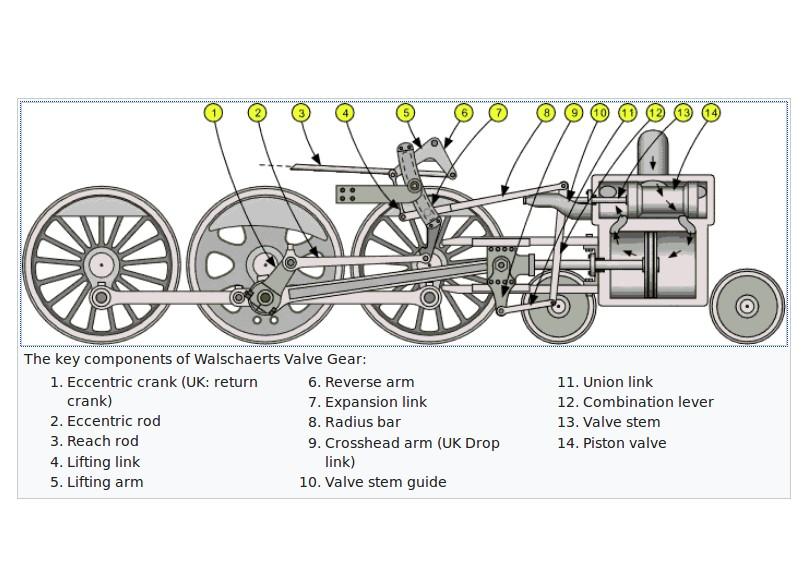
The valves can be almost as complicated as on full size engines though many are much simpler. It takes real engineering skill to deal with them.
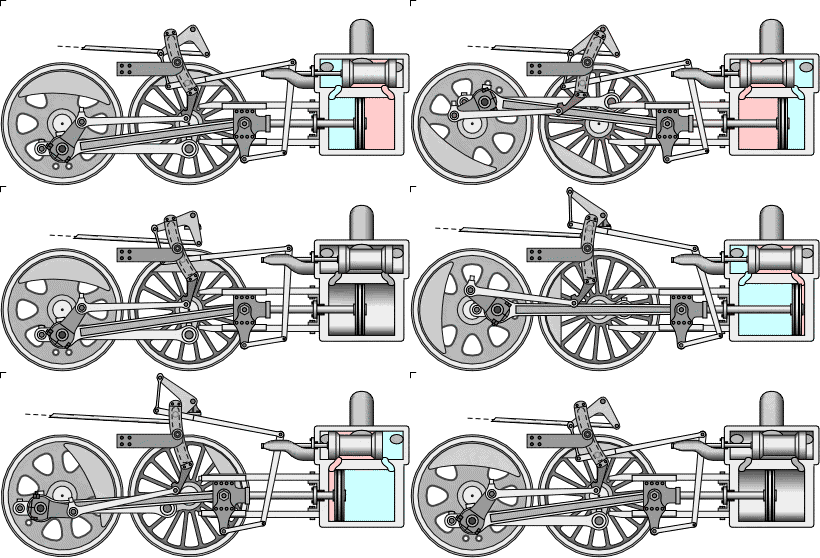
Most locomotives have two double acting cylinders but some use a single cylinder to keep the mechanism as simple as possible
Control
Radio or Manual Control
Many of our Locomotives are Radio Controlled.
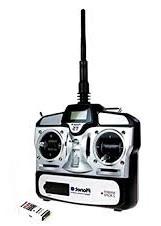
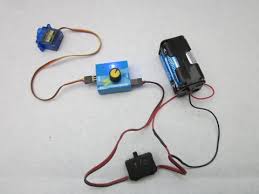
Servos are used to control the regulator (accelerator) and the valve gear to enable reversing.
A lot of members prefer Manual control and set their trains off to run freely around the track.
Diesel Locomotives
Battery Electrics
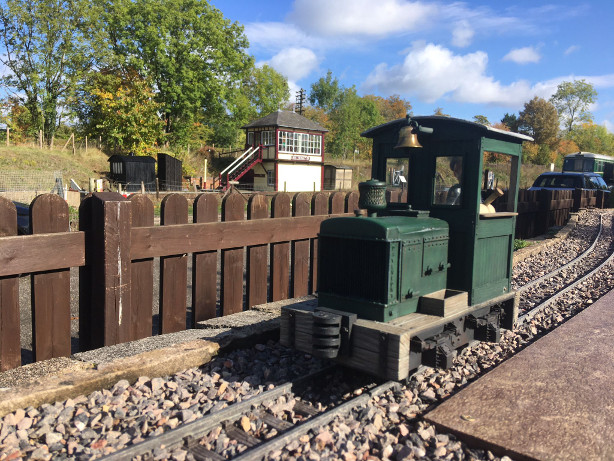
Though it is possible to make miniature diesel engines, these are normally battery powered electric locomotives.
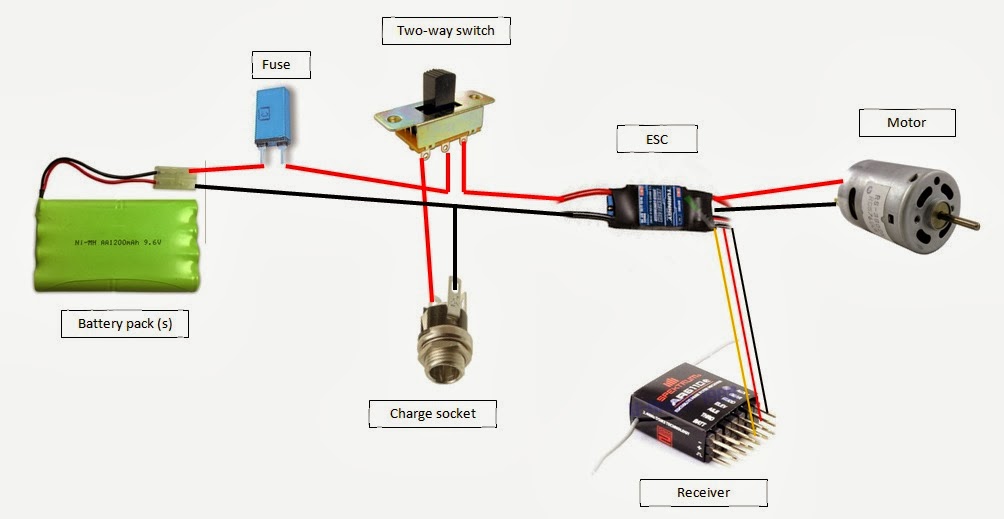
Only our 45mm loop has track power and though we have plans to extend this, most of our track will never be powered. So in most circumstances engines need to be completely self propelled (ESC means Electronic Speed Controller).
Please take a look at more Visitor Pages.
There's lots of information about us, our layout and our style of Garden Railway modelling.
Social Media |
Visitor Pages |
Website |